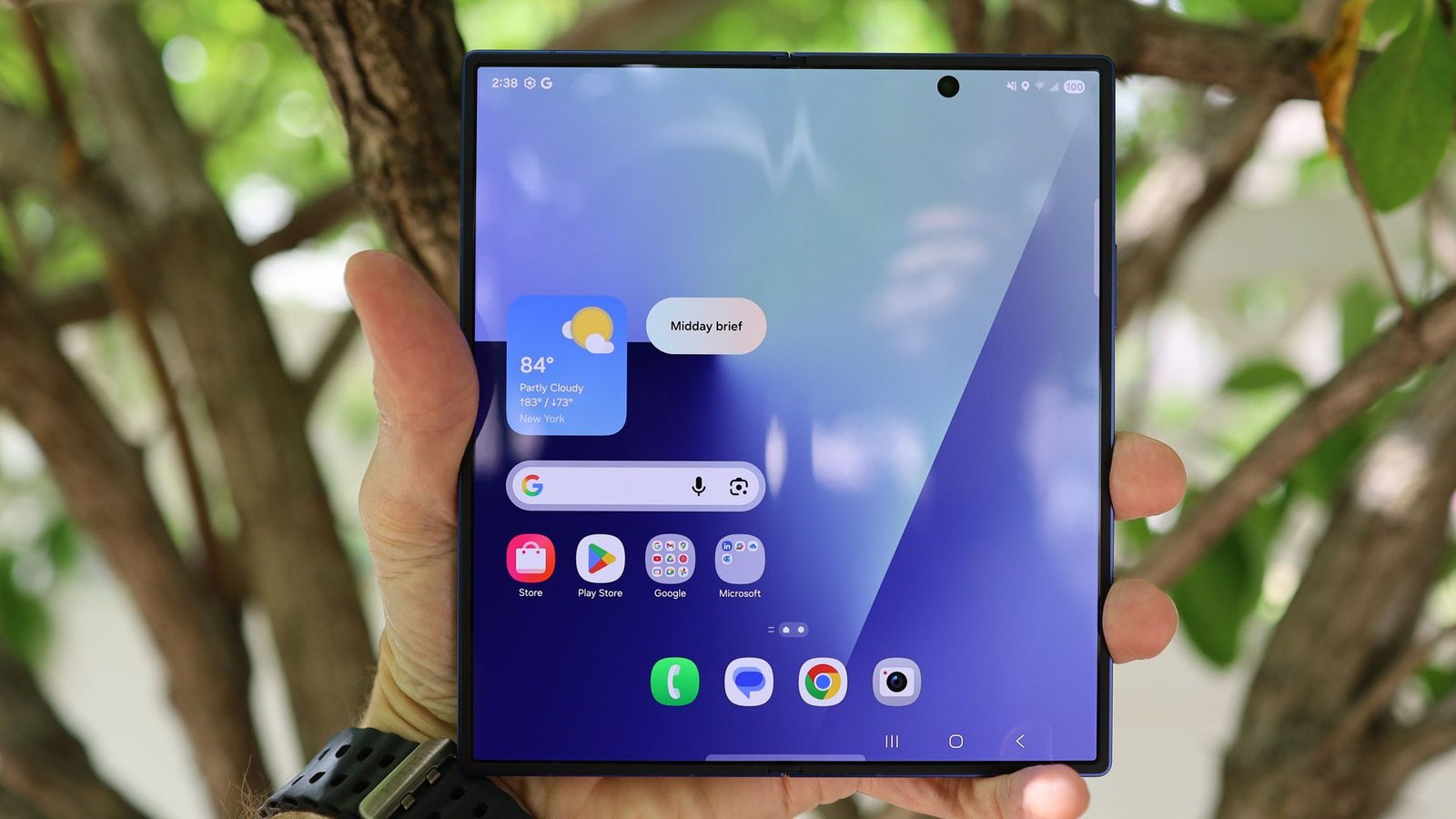
Foldable phones spent years carrying a reputation as an expensive, fragile novelty. In 2026, that reputation is genuinely outdated for the core hardware — hinges, water resistance, and screen durability have all improved dramatically. What’s left are real, structural trade-offs that have nothing to do with reliability fears anymore.
In this article
- The Durability Fears Are Mostly Resolved
- The Real Trade-Off Now: Book-Style vs. Flip-Style
- Battery Life Remains a Genuine Compromise
- Repair Costs Are the Trade-Off Nobody Mentions Enough
- App Optimization Has Mostly Caught Up
- The Screen Protector Situation Is a Genuine Ownership Quirk
- Who Should Actually Buy One in 2026
- Frequently Asked Questions
- The Bottom Line
The Durability Fears Are Mostly Resolved
Hinge reliability has crossed 400,000 fold cycles on flagship models, and IP68 water and dust resistance is now standard on top-tier foldables like the Google Pixel 10 Pro Fold. According to a detailed 2026 durability comparison from Izoate, screen creases have also become far less visually noticeable in daylight than early foldable generations, addressing the single most common complaint about the category.
The Real Trade-Off Now: Book-Style vs. Flip-Style
Foldables have split into two genuinely different form factors with structural, not cosmetic, trade-offs. Book-style foldables (like the Samsung Galaxy Z Fold 7) give you full tablet-scale multitasking but weigh more and stay wide even when folded. Flip-style foldables (like the Motorola Razr Ultra) prioritize pocketability with a larger, more usable cover screen, at the cost of the split-screen multitasking book-style models offer.
 Also readScreen Flickering on Windows 11: 9 Fixes for Laptops and External Monitors
Battery Life Remains a Genuine Compromise
This is the trade-off that hasn’t fully resolved. Foldable batteries are still constrained by the physical design in ways flat flagships aren’t — the OnePlus Open 2’s larger 5,900mAh cell beats the Galaxy Z Fold 7’s smaller battery outright on runtime, illustrating that even top-tier foldables in 2026 are still making real battery-capacity sacrifices for the folding mechanism, not something a software update fixes.
Repair Costs Are the Trade-Off Nobody Mentions Enough
A cracked inner display on a foldable is a specialized repair, not a standard screen swap — official repair pricing runs meaningfully higher than a conventional phone’s outer screen replacement. No foldable currently qualifies as genuinely repairable under emerging right-to-repair standards, even from manufacturers that publish partial service manuals.
App Optimization Has Mostly Caught Up
This used to be a real pain point — apps rendering awkwardly or with black bars on the larger inner display. In 2026, most major apps scale correctly on foldable displays, especially on Samsung devices where developer optimization has matured across six hardware generations. Smaller, niche apps occasionally still show letterboxing, but it’s increasingly rare.
The Screen Protector Situation Is a Genuine Ownership Quirk
The pre-installed protector on a foldable’s inner display isn’t a disposable accessory like on a normal phone — it’s part of the display system itself. Manufacturers specifically advise against removing it yourself, since treating it like an ordinary screen protector can cause real damage. This is a genuine adjustment for anyone used to swapping screen protectors freely on a normal phone.
Who Should Actually Buy One in 2026
If your workflow genuinely benefits from a larger screen for documents, spreadsheets, or split-screen multitasking, a book-style foldable earns its premium. If you mainly want a more compact, stylish daily driver and don’t need the bigger canvas, a flip-style model is the better match. If neither describes you, a flagship flat phone remains the simpler, cheaper, and more battery-efficient choice — foldables solve a specific problem, not a general one.
Frequently Asked Questions
Do foldable phones still crease noticeably in 2026?
Less than earlier generations — creases are largely imperceptible in normal daylight viewing on top models, though they remain visible at certain angles or under direct light on most foldables.
Is a foldable phone a good first smartphone purchase?
Generally no — the price premium and specific trade-offs (battery, repair cost) make more sense for someone upgrading from a flagship who has a specific reason to want the larger or more compact form factor, not a first-time buyer.
The Bottom Line
Foldables in 2026 have earned their way out of “novelty” status on durability alone. What’s left is a genuine lifestyle decision — bigger screen versus better battery and lower repair risk — rather than a bet on whether the hardware will actually hold up.