
2026 has been an unusually spread-out year for smartwatch launches — instead of everything clustering into a single autumn announcement window, releases have rolled out steadily since CES, with Samsung’s watch generation landing in July and Google’s surprise Pixel Watch 5 announcement in August. That makes right now a genuinely good moment to compare the field, since most of the year’s major hardware is already out. The right pick depends heavily on which phone you carry, so that’s the first filter worth applying before comparing features.
The Phone Compatibility Rule Comes First
Apple Watch is iOS-only, full stop — there’s no version that works properly with Android. Wear OS watches, including the Samsung Galaxy Watch and Google Pixel Watch lines, are built for Android and offer a noticeably reduced experience if paired with an iPhone. Garmin, Withings, and Fitbit devices are the exception, working reasonably well across both platforms, though some advanced wrist-calling features remain Android-exclusive. If you’re weighing a new phone at the same time as a watch, our on-device AI phones guide is worth a look, since watch and phone AI features increasingly work together.
Best for iPhone Users: Apple Watch Series 11
For anyone in Apple’s ecosystem, the Series 11 remains the obvious choice — seamless notifications, the deepest health feature set on the market, and the only watch with true feature parity on iOS. The standout new addition this year is hypertension notifications, which analyze blood vessel responses over a 30-day window using the optical heart sensor to flag signs of long-term high blood pressure — a genuinely useful addition rather than a gimmick.
Best for Android Users: Samsung Galaxy Watch Ultra 2
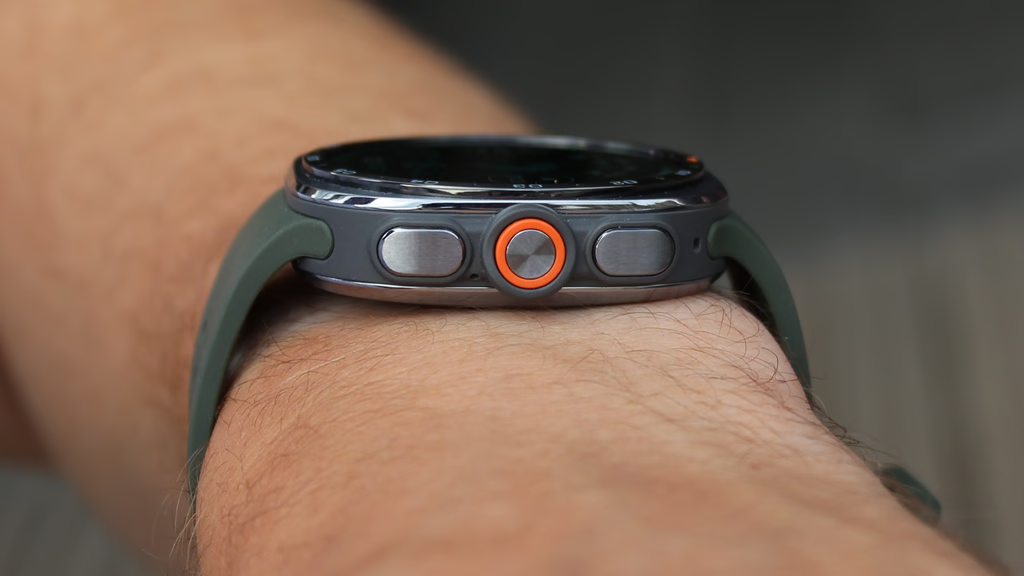
The Galaxy Watch Ultra 2 leads the Android side for buyers who want a rugged design paired with strong health tracking and a genuinely large battery. Starting at $699 for the LTE version, Samsung’s One UI Watch software has closed most of the gap with Apple’s watchOS in terms of polish, and this year’s update improved sleep apnea detection and cardio tracking specifically — features worth comparing against similar tracking now built into wireless earbuds and other wearables if you’re assembling a full Android accessory ecosystem.
Best for Pixel Users: Google Pixel Watch 5
The Pixel Watch 5 makes the most sense if you’re already on a Pixel phone and want Gemini AI features built directly into the watch experience — a breathing emergency detector that can automatically contact emergency services is one of the more notable new additions this year, and it pairs naturally with the kind of Tensor chip’s on-device AI processing. Battery life is a genuine strength too, with the 45mm model surpassing 60 hours per charge in independent testing, well ahead of the roughly 30 hours typical of the latest Apple Watch.
Best for Outdoor and Fitness Use: Garmin Fenix 9
If battery life, training metrics, hiking navigation, and recovery tracking matter more than app ecosystem or smart notifications, Garmin remains the better choice over any of the mainstream smartwatch brands. Topographic maps, long GPS session support, and multi-day battery life on a single charge are the draw — the tradeoff is a less polished notification and app experience compared to Apple or Wear OS.
Best Budget Option: Amazfit Balance 3
For buyers who want solid smartwatch functionality without flagship pricing, the Amazfit Balance 3 delivers capable health and fitness tracking at a meaningfully lower cost than any of the brand-name flagships above — a reasonable entry point if you’re not sure a smartwatch will stick as a daily habit yet.
How to Choose
- **iPhone owner, want the deepest ecosystem integration**: Apple Watch Series 11
- **Android user, want rugged design and long battery**: Galaxy Watch Ultra 2
- **Pixel phone owner, want AI features on the wrist**: Pixel Watch 5
- **Hiking, running, or multi-day outdoor use**: Garmin Fenix 9
- **Just want to try a smartwatch without committing to flagship pricing**: Amazfit Balance 3
The Bottom Line
The best smartwatch in 2026 isn’t the one with the most sensors — it’s the one that matches your phone, survives your routine on a single charge, and doesn’t turn basic features into a subscription. Start with phone compatibility, then narrow by whether health tracking, outdoor durability, or AI features matter most to you. Current pricing and availability for every model above are tracked on Wareable’s smartwatch hub, and Apple’s own health feature documentation is available on Apple’s official Watch page.