
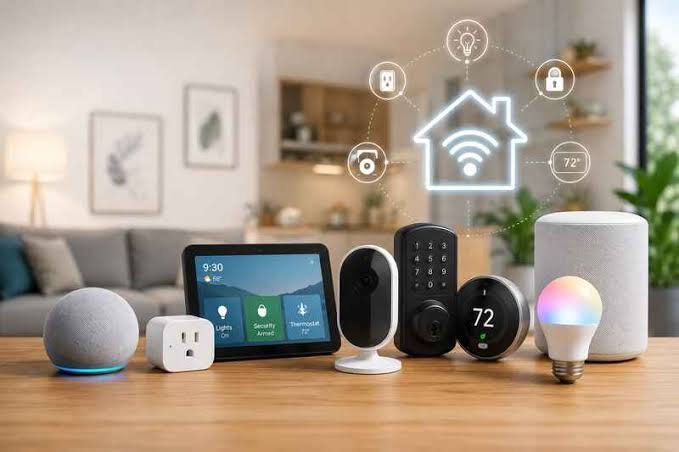
Smart home tech used to come with a frustrating catch: your lights needed one app, your camera needed another, and your voice assistant often refused to cooperate with devices from a competing brand. That’s finally changing. With universal standards like Matter and Thread maturing in 2026, best smart home devices 2026 finally means devices that actually work together — not just devices that work.
Start With a Hub
Before buying individual devices, get a hub sorted — this is what everything else connects through. Depending on which ecosystem you’re already invested in (Google Home, Apple HomeKit, or Amazon Alexa), your hub choice will shape which devices integrate most smoothly, though Matter compatibility is increasingly closing that gap.
Security: Where Most People Start
- Video doorbells: Let you see and speak with visitors remotely — look for wide fields of view (180°+) and solid battery life if going wireless.
- Security cameras: Wireless models with advanced motion detection now rival wired setups for video quality, without the installation hassle.
- Smart locks: Keyless entry and remote access have become genuinely reliable — just check whether the model needs a subscription for full functionality before buying.
Comfort and Convenience
- Smart speakers: Still the central hub for voice control in most homes — Google Nest Audio and Apple’s HomeKit speakers each integrate deeply with their respective ecosystems.
- Smart thermostats: Learn your schedule and adjust automatically, often paying for themselves through energy savings within a year or two.
- Retrofit smart switches: No-wiring options let renters and older homes add automation to existing rocker switches without any electrical work.
The Efficiency Case
Beyond convenience, the practical argument for smart home tech in 2026 is efficiency — smart thermostats, water leak monitors, and usage-tracking systems can meaningfully cut both energy costs and the risk of expensive water damage. A leak detected in hours instead of days is the difference between a minor fix and a major repair bill.
Common Mistakes When Building a Smart Home
- Buying devices before a hub — you end up with five separate apps instead of one connected system.
- Ignoring subscription costs — some smart locks and cameras need a monthly fee for full functionality, which changes the real cost significantly.
- Mixing incompatible ecosystems without checking Matter support first, leading to devices that technically work but won’t talk to each other.
- Automating everything at once instead of starting with one routine (like lights at sunset) and expanding once it’s reliable.
Is It Worth It for Renters?
Retrofit-friendly devices have made smart homes far more accessible for renters who can’t rewire switches or install permanent hardware. Battery-powered cameras, plug-in smart outlets, and no-wiring switch retrofits like the Fingerbot let you build a genuinely useful setup that moves with you, without touching the building’s existing electrical.
Building a Setup That Actually Sticks
The real value comes from building a setup that fits your actual lifestyle, not from chasing every new gadget trend. Start with whichever category solves a genuine annoyance in your home — security, energy costs, or daily convenience — and expand from there once that first layer is working reliably.
Final Thoughts
With Matter and Thread finally delivering on cross-brand compatibility, 2026 is the first year building a smart home doesn’t mean locking yourself into one company’s ecosystem for good. Start with a hub, solve one real problem first, and expand only once that foundation works. For related coverage on the AI side of connected devices, see our roundup of gadgets we’re excited about this year.