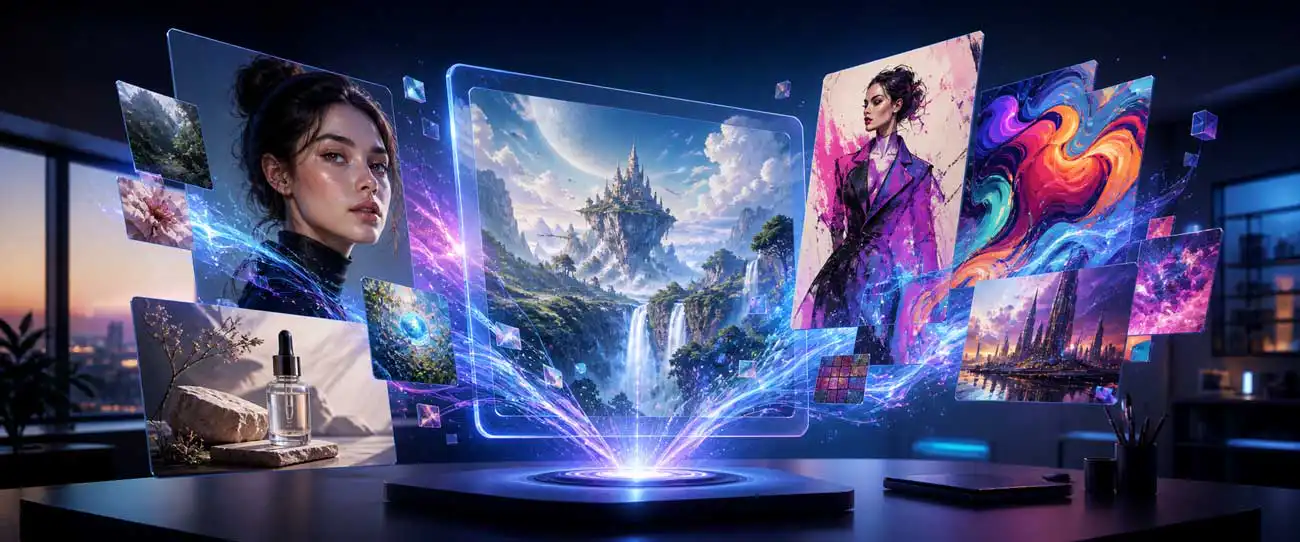

AI image generation has advanced enough in 2026 that distinguishing generated images from photography has become genuinely difficult in many cases — but the tools themselves still vary considerably in output quality, style flexibility, and licensing terms. Our AI Photo Editors Compared guide covers AI-assisted editing of existing photos, a related but distinct category from pure image generation from text prompts.
Photorealism vs Artistic Styles: Different Tools Excel Differently
Not every AI image generator handles every style equally well — some excel specifically at photorealistic output, while others produce stronger results for illustration, anime, or stylized artistic work. Testing a specific tool against your actual intended use case, rather than assuming top-tier photorealism performance implies equally strong illustration capability, avoids a common source of disappointment. a comprehensive comparison from Ars Technica has tracked how different generators specialize in distinct visual styles as the technology has matured.
Commercial Usage Rights: Read Before You Rely On Any Tool
This is the most commonly overlooked factor when choosing an AI image generator for business use. Licensing terms vary significantly — some tools grant full commercial usage rights on any paid plan, others restrict commercial use to specific higher tiers, and a few retain rights that limit how generated images can be used even after payment. Checking the specific licensing terms for your intended use (personal, blog, commercial product, advertising) before investing significant time in a workflow built around a specific tool is essential.
Prompt Engineering: Still a Real Skill Gap
Getting consistently good results still depends heavily on how you write prompts, and this skill varies enough between users that two people using the identical tool can get dramatically different quality output. Most platforms now offer prompt-improvement suggestions or example libraries, which meaningfully shorten the learning curve compared to earlier generations of these tools. Our How Good Are AI Coding Assistants Really guide covers a similar prompt-quality dependency in a different AI tool category, and the underlying lesson largely transfers.
Consistency Across Multiple Generations
For projects requiring consistent characters, styles, or branding across multiple images — a comic strip, a consistent brand mascot, a series of product mockups — checking a tool’s specific consistency features (character reference, style-locking) matters considerably more than raw single-image quality, since inconsistency between generations is one of the most common frustrations reported by regular users.
Ethical and Legal Considerations Worth Understanding
- Training data controversies remain unresolved across the industry, with ongoing legal disputes about whether training on copyrighted images without explicit permission is permissible
- Some platforms now offer opt-in “ethically sourced” training data as a differentiator, appealing to businesses concerned about this issue
- Generating images depicting real, identifiable people carries genuine legal and ethical risk regardless of which tool you use
- Check platform-specific content policies before generating anything commercially sensitive, since policies vary in what they explicitly prohibit
Cost Structures Vary More Than Expected
Pricing models range from pay-per-generation credits to unlimited-generation subscriptions, and the better economic choice depends heavily on your actual volume needs. Occasional users often do better with credit-based pricing, while anyone generating images regularly as part of a content workflow typically finds unlimited subscription tiers more cost-effective despite the higher upfront monthly cost.
Resolution and Upscaling Capability
Native output resolution varies significantly between tools, and many generators rely on separate upscaling steps to reach print-quality or large-format resolution rather than generating at high resolution directly. If your use case requires large prints or high-resolution digital assets, checking a tool’s actual maximum native resolution — and the quality of its upscaling feature specifically — avoids the disappointment of a great-looking small image that degrades noticeably when enlarged for real use.
The Bottom Line
The best AI image generator depends heavily on your specific use case — photorealism versus illustration, commercial licensing needs, and consistency requirements all favor different tools. Testing a platform’s free tier against your actual intended use, and carefully reading commercial licensing terms before committing to a paid plan, avoids the most common and costly mistakes people make when adopting these tools for real work.