
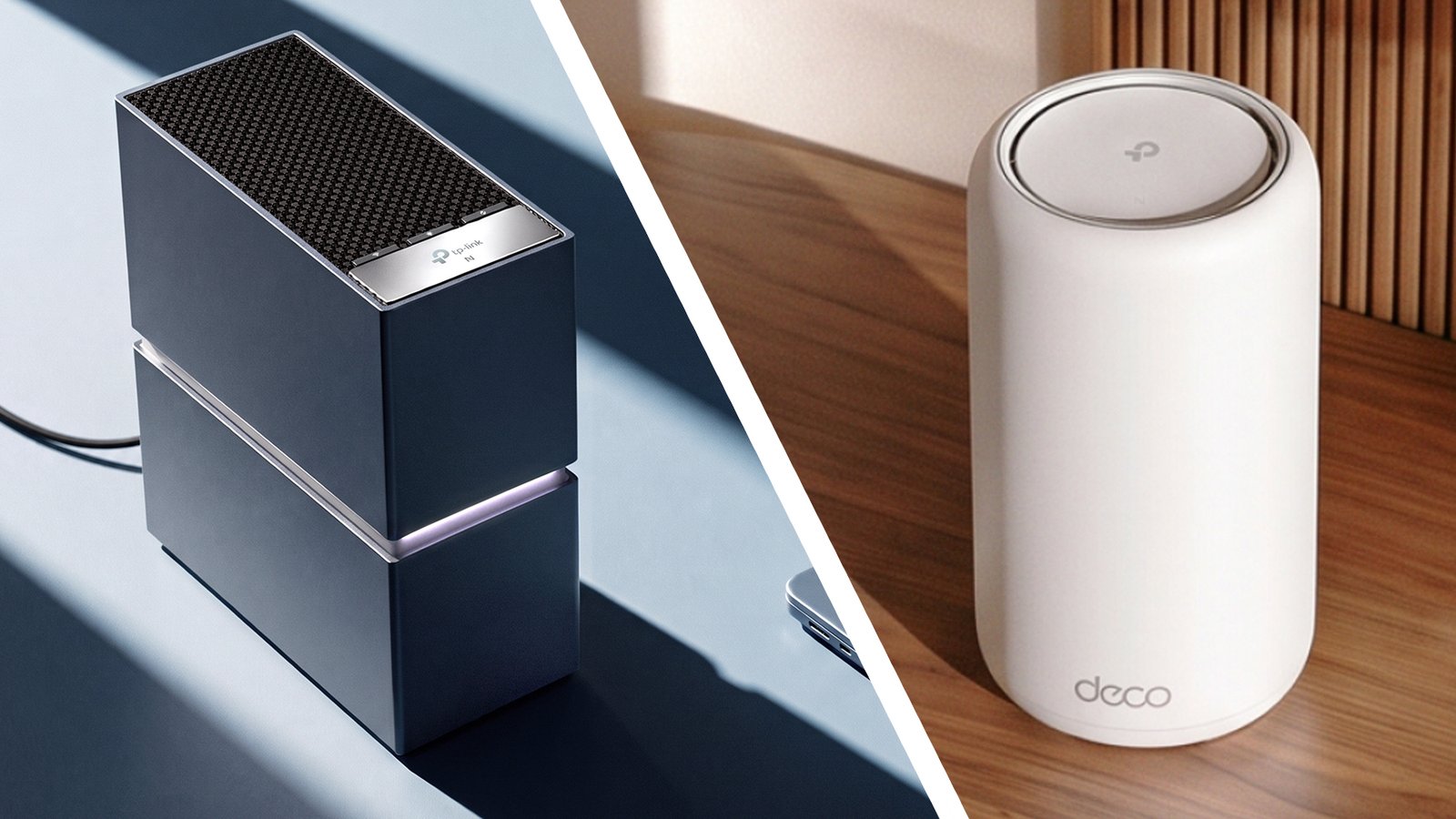
TP-Link just became the first company to actually ship Wi-Fi 8 hardware, unveiling the Archer 8 Ultra router and Deco 8 Ultra mesh system at IFA 2026. If you’re due for a router upgrade, the timing makes this a genuinely confusing moment to buy — here’s what Wi-Fi 8 actually changes, and why jumping on it immediately probably isn’t the right call.
Wi-Fi 8 Isn’t About Speed — That’s the Key Thing to Understand
Unlike every previous Wi-Fi generation leap, Wi-Fi 8 doesn’t meaningfully increase top-end speed over Wi-Fi 7. According to TechRadar’s breakdown of the new standard, it’s built around Ultra-High Reliability instead — smarter bandwidth allocation, better multi-device congestion handling, and steadier connections room to room, not a bigger raw speed number.
What TP-Link’s New Hardware Actually Does Differently
TP-Link’s Archer 8 Ultra and Deco 8 Ultra use Dynamic Sub-band Operation and Non-Primary Channel Access to portion out bandwidth based on what each device actually needs — a smart thermostat gets a small slice, a 4K streaming device gets more, and congestion that would bog down a Wi-Fi 7 network gets managed more intelligently across the whole home.
The Standard Isn’t Even Finalized Yet
This is the single biggest reason to wait: the underlying IEEE 802.11bn specification isn’t expected to be fully ratified until around 2028. Early Wi-Fi 8 hardware, including TP-Link’s first devices, is built on pre-final specifications, which historically means multiple firmware updates as the finished standard evolves — and router makers have said they’ll keep adding late-changing features throughout 2027, not just at launch.
No Existing Devices Actually Benefit Yet
Even if you buy Wi-Fi 8 hardware today, none of your current phones, laptops, or smart home devices support the new standard — they’ll connect at Wi-Fi 7 speeds regardless. You’d be paying an early-adopter premium for reliability improvements that only show up once your actual devices support Wi-Fi 8 too, which is still years away for most consumer electronics.
Wi-Fi 7 Remains the Genuinely Correct Choice Right Now
For anyone still on Wi-Fi 5 or Wi-Fi 6 dealing with dead zones, lag, or buffering, upgrading to Wi-Fi 7 today delivers real, immediately noticeable improvements — and it’s a fully ratified, widely available standard across every budget tier, unlike Wi-Fi 8’s early, expensive, pre-final hardware. Our own testing of 2026’s top mesh Wi-Fi systems found genuinely excellent whole-home coverage available at Wi-Fi 7 price points well below what first-generation Wi-Fi 8 hardware costs.
When Wi-Fi 8 Will Actually Make Sense to Buy
Realistically, once the standard is finalized around 2028 and second- or third-generation hardware has ironed out early firmware issues, alongside enough consumer devices actually supporting it to make the reliability gains meaningful. TP-Link’s Archer 8 Ultra is set for pre-order starting September 30, 2026, but early adopters should expect to be paying for a preview, not a finished product.
Frequently Asked Questions
Will my current Wi-Fi 7 router be upgradable to Wi-Fi 8 later?
No — none of the current generation of Wi-Fi 7 routers can be software-upgraded to Wi-Fi 8; the hardware itself needs to support the new standard from the start.
Is Wi-Fi 8 backward compatible with older devices?
Yes — Wi-Fi 8 routers will support older devices at their existing Wi-Fi standard, similar to how every past Wi-Fi generation has maintained backward compatibility.
The Bottom Line
Wi-Fi 8 is a genuinely interesting reliability-focused standard, but it’s arriving years before it’ll actually be useful for most households. Unless you specifically want to be a very early tester of pre-final hardware, a good Wi-Fi 7 router remains the smarter purchase in 2026.