iPhone 18 Pro Launch: Everything You Need to Know About Apple’s First Foldable Push

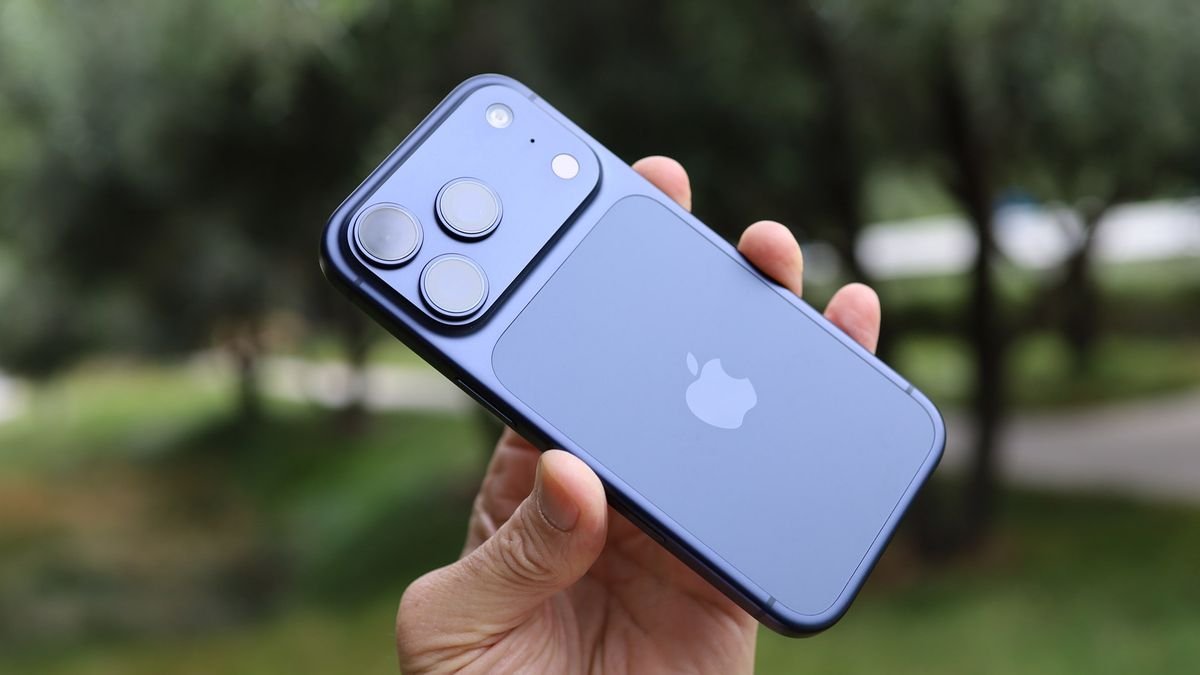
Apple just sold its first iPhones under a new CEO, during the worst component shortage the smartphone industry has seen in years, and somehow made the whole thing look routine. Here’s everything that actually changed with the iPhone 18 Pro launch, and what it means if you’re deciding whether to upgrade.
A Launch With a New Name Behind It
The iPhone 18 Pro and Pro Max went on sale on September 18, 2026 — the first iPhones to reach customers under Apple’s new CEO, John Ternus, who was photographed at Apple’s Fifth Avenue flagship store greeting customers on launch day. According to Yahoo Finance’s live coverage of the launch, this leadership change didn’t visibly disrupt the launch timeline or rollout at all — a genuinely reassuring signal for anyone worried a CEO transition might slow Apple’s famously tight product cadence.
Why This Year’s iPhones Cost More Than Last Year’s
If you’ve noticed the iPhone 18 Pro and Pro Max carry a higher price tag than their iPhone 17 equivalents, you’re not imagining it. These are Apple’s first phones to reach the market during the ongoing global memory and storage shortage — a supply crunch driven largely by AI data center construction pulling manufacturing capacity away from consumer electronics. The direct result: this year’s Pro models cost roughly $100 more than last year’s, a real, measurable price increase tied to a specific, well-documented industry cause rather than a vague “inflation” explanation.
The Trade-In Numbers Worth Actually Knowing
Apple sweetened the deal somewhat on the trade-in side. Maximum trade-in credit for the iPhone 18 Pro Max climbed to $1,200, up from $1,100 for the iPhone 17 Pro Max and $1,000 for the iPhone 16 Pro Max the year before that. The iPhone 18 Pro (non-Max) carries the same $1,200 maximum credit. For anyone holding an older iPhone in reasonably good condition, this trade-in bump meaningfully offsets the higher sticker price — worth factoring in before assuming this year’s upgrade costs more out of pocket than it actually will.
The Foldable Everyone’s Actually Waiting For
The bigger story brewing behind this specific launch is Apple’s long-rumored first foldable iPhone. According to MacRumors’ detailed breakdown of Apple’s device roadmap, the foldable is expected to carry a later pre-order date than the rest of the iPhone 18 lineup specifically because of limited early production capacity — meaning even once announced, availability could lag well behind the standard Pro models covered in this launch.
What “Limited Early Production” Actually Signals
When a company as large as Apple flags limited early production for a specific model, it’s usually a genuine manufacturing constraint, not a marketing tactic to manufacture hype. A foldable’s more complex internal hinge mechanism and specialized display technology are considerably harder to manufacture at Apple’s usual massive scale than a standard rigid-screen iPhone — meaning early buyers should realistically expect a longer wait, and possibly regional availability gaps, compared to the standard lineup.
Apple’s Broader Release Schedule Is Also Shifting
Beyond this specific launch, Apple’s own release cadence looks set to change meaningfully over the coming year. Reports indicate the iPhone 18e will likely arrive in the first quarter of 2027, alongside the base iPhone 18 model — a genuine departure from Apple’s historical pattern of releasing the standard model alongside the Pro lineup each September. An iPhone Air 2 is also expected around the same window, meaning Apple could be preparing to release as many as five distinct new iPhone models across the second half of 2026 and first half of 2027 combined.
Why Apple Is Spreading Releases Out This Way
Staggering releases across a longer window, rather than clustering everything into one September event, gives Apple more room to manage manufacturing capacity for genuinely complex new form factors like the foldable, without forcing every single model through the same tight production bottleneck simultaneously. It’s a reasonable operational response to a supply environment considerably more constrained than in recent years.
What This Means If You’re Deciding Whether to Upgrade Now
For buyers specifically weighing whether to upgrade to the iPhone 18 Pro right now versus waiting for the foldable:
- If you specifically want the foldable form factor, waiting makes sense — early production constraints suggest it won’t be readily available even once announced.
- If your current phone is genuinely struggling (battery health, storage, slow performance), the higher trade-in credit meaningfully offsets this year’s price increase, making now a reasonable time to upgrade rather than waiting through an uncertain foldable timeline.
- If you’re simply curious but not in urgent need, watching how the foldable’s actual reviews and pricing land once genuinely available is the lower-risk path, given how novel and unproven that specific form factor remains for Apple specifically.
How This Fits the Broader 2026 Smartphone Market
Apple’s pricing pressure from the memory shortage mirrors what’s happening across the entire smartphone industry this year, a pattern covered in more depth in our breakdown of how the 2026 RAM crisis is reshaping laptop and PC prices broadly, where the same component shortage driving iPhone prices upward is affecting computing devices across nearly every price tier and manufacturer, not just Apple specifically.
What to Actually Watch For Next
The genuine open question now is timing and pricing once Apple’s foldable iPhone actually reaches a confirmed pre-order date — until then, treating current reporting as directionally reliable but not final is the safer approach. This connects to [CLIENT LINK PLACEHOLDER] our broader coverage of how supply chain constraints are reshaping product launch strategies across the entire consumer electronics industry, not just smartphones specifically.
Frequently Asked Questions
Is the iPhone 18 Pro’s price increase permanent, or will it come back down?
That depends entirely on how quickly the underlying memory and storage shortage resolves — since it’s driven by structural AI infrastructure demand rather than a temporary disruption, meaningful price relief likely takes multiple quarters rather than resolving by next year’s launch.
Should I wait for Apple’s foldable iPhone instead of buying the iPhone 18 Pro now?
Only if the foldable form factor specifically matters to you — given the reported limited early production, waiting means an uncertain timeline, while the iPhone 18 Pro is available today with a genuinely improved trade-in credit.
The Bottom Line
The iPhone 18 Pro launch went smoothly despite a new CEO and a genuinely difficult component shortage, but the real story simmering underneath is Apple’s first foldable — a device that, based on current reporting, buyers may need real patience to actually get their hands on once it’s finally announced.

The DailyTechReview team covers the latest in smartphones, laptops, AI technology, and everyday gadgets — testing, comparing, and breaking down what's actually worth your money. Our editorial team combines hands-on testing with independent research to bring you buying guides and reviews you can trust, without the marketing fluff.
Related Stories
 Smartphones
 How to Tell If Your Old Phone Is Still Worth Keeping in 2026
5 days ago Smartphones
 9 Phone Battery Habits That Actually Matter (and 5 Myths You Can Ignore)
1 week agoiPhone Duo: Apple’s First-Ever Foldable iPhone — Price, Specs, and Everything You Need to Know
3 weeks ago Smartphones
 Apple’s Redesigned Siri for iPhone 18: What We Know So Far
3 weeks ago Smartphones
 iPhone 18 Pro & Pro Max: Full Price (USD, PKR, INR), New Features & Battery Life
3 weeks ago